There is no record of Queen Elizabeth II ever losing her temper, using bad language or refusing to carry out a duty. Not once, across seven decades, fifteen prime ministers, a world that changed beyond recognition and a family that gave her every reason to.
That is not a personality trait. It is a leadership system. And it is one you can copy.
The Queen employed 1,200 people and fed her own dogs. She could strip and rebuild the six-cylinder engine of an Austin K2 ambulance, and she could host a state banquet for the most powerful people on earth. She trekked for hours on a Fell pony across Balmoral and she read her red boxes every working day until two days before she died at 96.
This page sets out the nine leadership principles behind that record, one per chapter of my book, The Job Well Done: The Queen's Way to Successful Leadership. Each principle comes with the story that proves it, why it worked, and what you can do with it on Monday morning.
This is not a biography. It is a working framework. I spent twenty years leading commercial teams in the UK life sciences industry, and I have a PhD in chemistry, so I approached the Queen's reign the way a scientist approaches data: what did she actually do, repeatedly, under pressure, and why did it work?
Jump to a principle:
- Staying on Course: the Queen's sense of duty
- Relentless Work Ethic: what the red boxes teach
- Take a Break: faith, family, Balmoral
- Pursuit of Perfection: attention to detail
- From Adversity to Strength: 1992 and 1997
- Embracing Change: modernising the monarchy
- The Power of Compassion: empathy in action
- Mastering Life's Delicate Dance: humour and diplomacy
- Building an Inclusive Community: the 25-year-old who won over Churchill
1. Staying on Course: Queen Elizabeth's sense of duty
The story
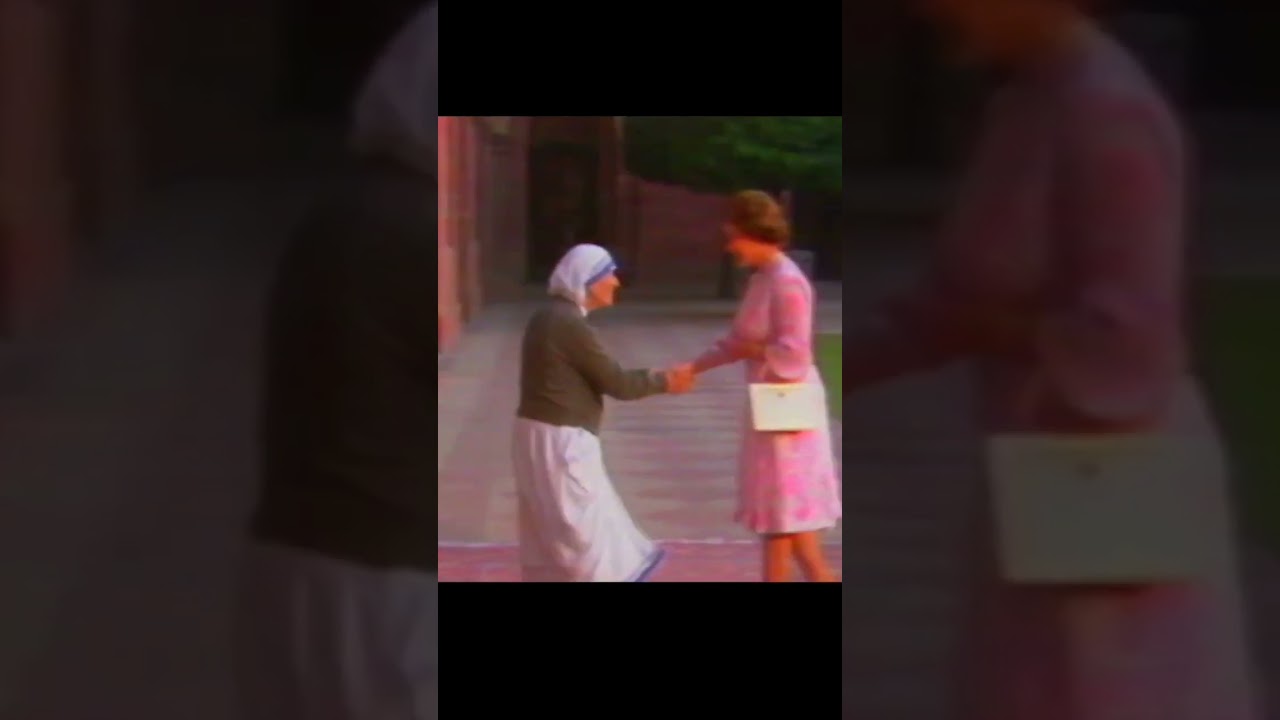
On her 21st birthday, in 1947, Princess Elizabeth made a broadcast from Cape Town in which she dedicated her whole life, "whether it be long or short", to the service of the people. She was not yet Queen. Her father was alive and well. Nobody required her to say it.
She then spent 75 years treating that sentence as a contract.
The seeds were there earlier. At 16 she tried to sign up for war work and was refused. At 18 she joined the Auxiliary Territorial Service and trained as a mechanic and driver, the first female member of the Royal Family to serve as a full-time active member of the armed forces. The King's daughter learned to change a tyre and strip an engine. She later said that proper training allows one to accomplish a great deal. She meant it literally.
Why it worked
Publicly stated values are a constraint you choose in advance, and constraints beat willpower every time. The Queen never had to decide, in the moment, whether to turn up, whether to stay neutral, whether to complain. Those decisions were already made in 1947. Everything afterwards was execution.
Most leaders never state their values out loud, so every hard day becomes a fresh negotiation with themselves.
What you do on Monday
Write down your three non-negotiables as a leader. Not aspirations, constraints. Then say one of them out loud to your team this week. Once it is public, it starts doing the work for you.
This is Chapter 1 of The Job Well Done. Full chapter breakdown: Queen Elizabeth's sense of duty
Watch on YouTube
2. Relentless Work Ethic: what the Queen's red boxes teach about consistency
The story
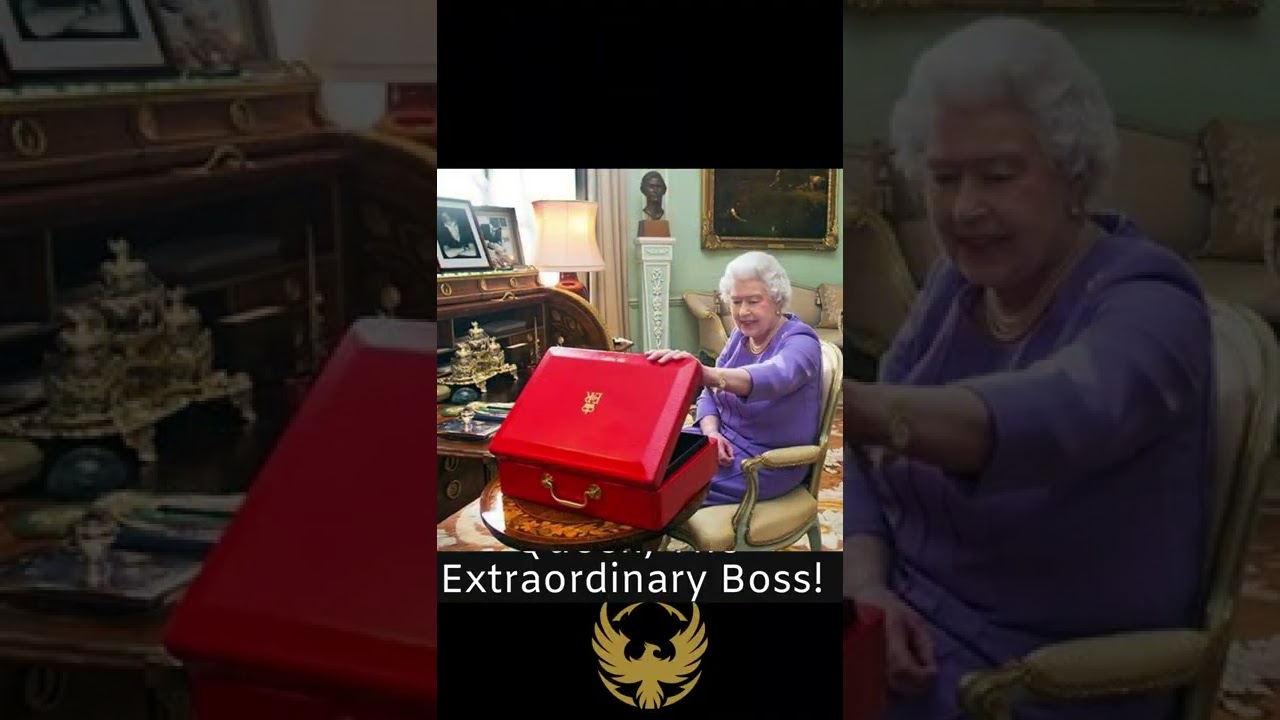
Every working day of her reign, the Queen received red leather boxes containing government papers, briefings and documents requiring her signature. She read them. All of them. For 70 years.
At the age of 89, in 2015, she carried out 341 official engagements, 35 of them overseas. At 90 she became the longest-reigning monarch in British history. At 96, two days before her death, she appointed her fifteenth prime minister at Balmoral, standing, smiling, holding a walking stick.
Her workload was not one job. As Head of State she opened Parliament and received ambassadors. As Head of Nation she was the symbol people rallied to. As Supreme Governor of the Church of England she appointed archbishops. As Head of the Commonwealth she held together a free association of 56 nations. As Head of the Armed Forces she was the only person who could declare the country at war. She did all of it, every year, without a sabbatical.
Why it worked
Consistency compounds. Charisma does not. A leader who is brilliant on Tuesday and absent on Thursday gets remembered for Thursday. The Queen was never brilliant in the way we usually mean it. She was there, prepared, every single time, and over decades that became the most powerful reputation in the world.
What you do on Monday
Identify your one daily red box: the task that, if you do it without fail, keeps everything else on track. For most leaders it is reading, or a specific conversation, or reviewing the numbers. Protect it in the diary before anything else goes in.
This is Chapter 2 of The Job Well Done. Full chapter breakdown: Queen Elizabeth's work ethic
Watch on YouTube
3. Take a Break: how the Queen protected faith, family and Balmoral
The story
The Queen once described the constants in her life as faith, family and friendship. She was not being sentimental. She was describing a maintenance schedule.
Every summer, for the whole of her reign, she went to Balmoral. Not for a week. For the best part of two months. Prime ministers came to her. She rode most days into her nineties. She bred horses and corgis (and dorgis, her own cross between a dachshund and a corgi), and over her lifetime owned more than thirty of them. She described Prince Philip, at their Golden Jubilee, as her strength and stay all those years.
She delegated. Other working royals took engagements. Her diary was reviewed with advisers so that the essential things happened and the rest was shared out. When her family needed her, after the death of Princess Diana most visibly, she put official duty on hold and went to her grandsons.
Why it worked
Recovery is scheduled, not hoped for. The Queen did not wait until she was exhausted to rest; the rest was in the calendar first and the work fitted around it. That is the only version of work-life balance that survives contact with a demanding role.
What you do on Monday
Block your recovery time before the meetings fill the week. One evening, one weekend day, one longer break in the next quarter. Treat it as an appointment with your most important stakeholder, because it is.
This is Chapter 3 of The Job Well Done. Full chapter breakdown: Queen Elizabeth's work-life balance
Video 3 slot. Drop the YouTube ID in here when the video is published.
4. Pursuit of Perfection: the Queen's attention to detail
The story
Before every meeting, the Queen was briefed on who she would meet, what to raise and what to avoid. She read the briefs and enjoyed them. On a visit to Nigeria in 2003, her notes reminded her that on her previous visit, in 1957, a nine-year-old princess had handed her flowers. The same woman was presenting to her again, 46 years later. The Queen knew.
She planned her own funeral, years in advance, down to the guest list, the flowers and the hymns. She once remarked that if you are going to wear a uniform you should wear it properly, because the details matter. A courtier said she was the only person who could put on a tiara with one hand while walking down stairs.
Why it worked
Preparation removes decisions from the moment. When you have already decided what to say, what to wear, what to avoid and how it ends, there is nothing left to be flustered about. That is why she never looked unprepared. She never was.
What you do on Monday
Read the brief. All of it. Before the meeting, not in it. And when the outcome matters, decide in advance how it ends, so that the pressure of the room cannot decide it for you.
This is Chapter 4 of The Job Well Done. Full chapter breakdown: Queen Elizabeth's attention to detail
Video 4 slot. Drop the YouTube ID in here when the video is published.
5. From Adversity to Strength: the annus horribilis and 1997
The story
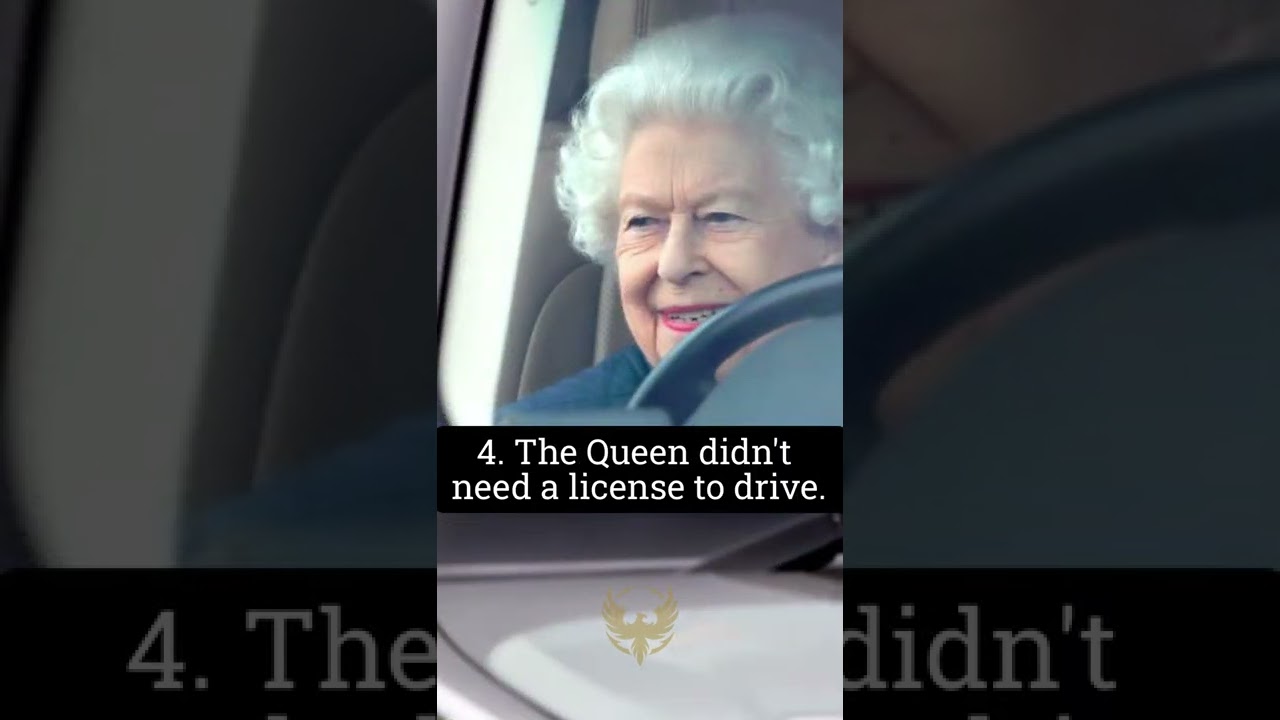
In 1992 Windsor Castle burned. Three of the Queen's four children saw their marriages collapse in public. The press turned. In a speech marking 40 years on the throne, she called it, with a borrowed phrase, her annus horribilis. It was the closest she ever came to complaining in public, and she did it with a joke.
Five years later Diana, Princess of Wales, died in Paris. The Queen stayed at Balmoral with her grandsons. The country wanted her in London. The headlines were brutal. Prime Minister Tony Blair advised her to return. Reluctantly, but decisively, she did. She walked among the flowers outside Buckingham Palace, and she gave a live broadcast in which she acknowledged the public's grief and said she believed there were lessons to be learned from Diana's life and from the reaction to her death.
She had already learned this once. In 1966, after the Aberfan disaster killed 116 children, she waited eight days before visiting. She later called that delay her biggest regret. She did not make the same mistake in 1997.
Why it worked
She absorbed the criticism, changed the response, and did not defend the original decision in public. There was no statement explaining why Balmoral had been the right call. There was a change of behaviour, visible and fast. Leaders who litigate their past decisions lose the room. Leaders who correct visibly keep it.
What you do on Monday
When you get it wrong, correct visibly and quickly. Skip the explanation of why it seemed right at the time. Nobody is listening to that part anyway.
This is Chapter 5 of The Job Well Done. Full chapter breakdown: Queen Elizabeth's annus horribilis
Watch on YouTube
6. Embracing Change: how Queen Elizabeth modernised the monarchy
The story
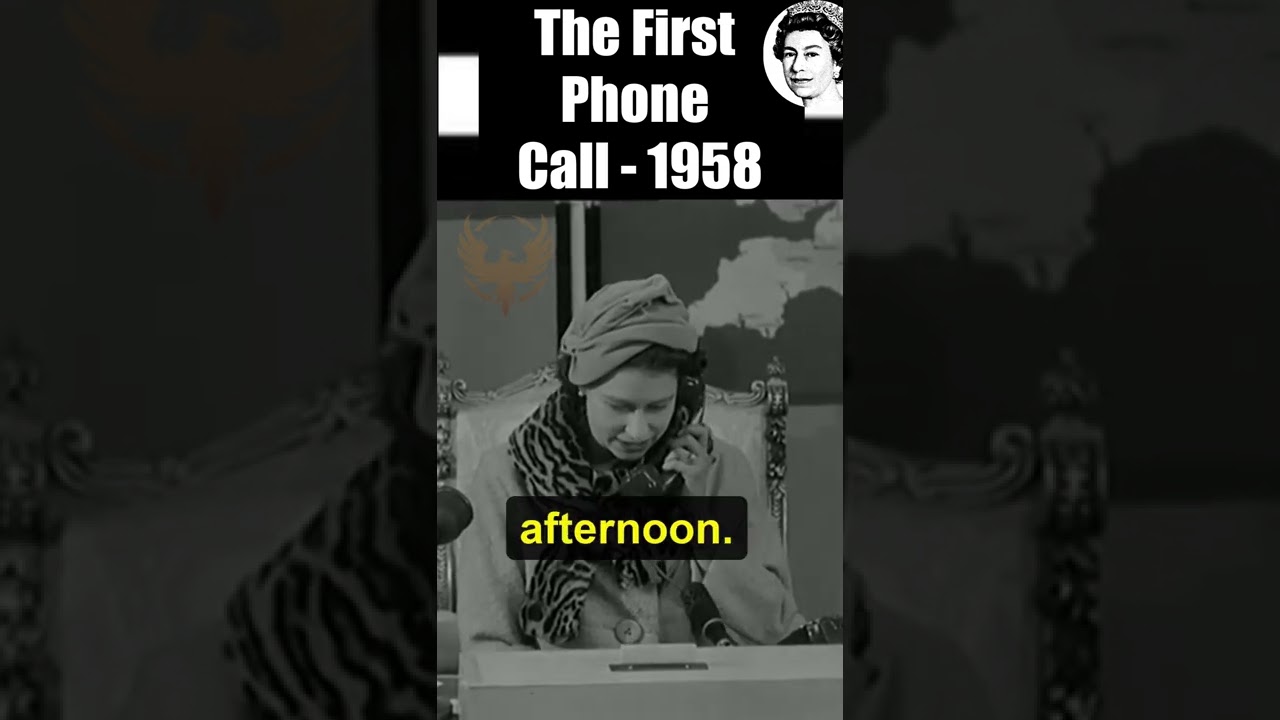
In 1953 Winston Churchill advised the new Queen not to televise her coronation. Tradition, he argued, required the ceremony to remain within the Abbey. She was 27. He was Churchill. She overruled him.
An estimated 27 million people in Britain watched. It was the first time a coronation had been seen by anyone outside a small circle of the powerful, and it set the pattern for everything that followed: the Christmas broadcast moving to television in 1957, the walkabouts, the openness to popular culture, and in 2011 her Royal Assent to the law ending male preference in the line of succession.
She said, in one of her broadcasts, that the one certainty was change, and that we should not be over-anxious about it if we understand the lessons of the past.
Why it worked
She changed the delivery without changing the purpose. The institution's job, to be a constant above politics, never moved. How that job was done moved constantly. Most organisations get this backwards: they protect the process and let the purpose drift.
What you do on Monday
Name one process your team follows only because it always has. Ask what purpose it serves. If the purpose is still valid, find a better way to serve it. If it is not, stop.
This is Chapter 6 of The Job Well Done. Full chapter breakdown: How Queen Elizabeth modernised the monarchy
Watch on YouTube
7. The Power of Compassion: Queen Elizabeth's empathy in action
The story
In 2003 Crown Prince Abdullah of Saudi Arabia visited Balmoral. Women in his country were not permitted to drive. The Queen invited him for a tour of the estate, got into the driver's seat of the Land Rover herself, and set off at speed along the narrow Highland tracks, talking all the way. The Prince, through his interpreter, is said to have asked her to slow down. She did not.
No speech. No communiqué. A point made with a steering wheel.
Her empathy ran the other way too. She remembered the nine-year-old with the flowers. She wrote personal notes. David Michie, who wrote about the Queen's corgis, described the attention she paid to each animal's temperament and needs. A former Labour minister said she promoted the country in a way that went beyond what any politician could manage, because people believed she meant it.
Why it worked
Empathy shown through action carries no risk of sounding hollow. A leader who says "I care about our people" is making a claim. A leader who remembers your daughter's name is presenting evidence.
What you do on Monday
Write one handwritten note this week to someone who will not expect it. Then, in your next difficult conversation, find one action that says what you would otherwise have said in words.
This is Chapter 7 of The Job Well Done. Full chapter breakdown: Queen Elizabeth's empathy
Watch on YouTube
8. Mastering Life's Delicate Dance: humour, diplomacy and grace under pressure
The story
At the coronation of her father in 1937, ten-year-old Princess Elizabeth confided that she hoped her younger sister would not disgrace the family by falling asleep in the middle. She was already managing the family's dignity before she could vote.
Seventy years later she was taking tea with Paddington Bear on the roof of Buckingham Palace, producing a marmalade sandwich from her handbag. In between, she absorbed every awkward state visit, every political crisis and every family embarrassment with the same expression: composed, faintly amused, entirely unreadable.
She never once complained publicly about a job she had not chosen. She accepted the Crown without resistance, prepared for it without drama, and wore it without visible strain.
Why it worked
Humour de-escalates. Poise buys you time to think. The Queen's dry wit let her defuse rooms that other leaders would have tried to dominate, and her composure meant she was never the first to react, which is the same as saying she was never the one who gave something away.
What you do on Monday
In the next tense meeting, be the last person to react. Count to five before you answer anything. And if you can find the joke that lets everyone breathe, use it.
This is Chapter 8 of The Job Well Done. Full chapter breakdown: Queen Elizabeth's diplomacy and grace
Video 8 slot. Drop the YouTube ID in here when the video is published.
9. Building a Strong and Inclusive Community: the 25-year-old who won over Churchill
The story
In February 1952 a 25-year-old woman became Head of State and began weekly audiences with Winston Churchill, then 77, the man who had led the country through the war. Every Tuesday afternoon. Nobody expected the young Queen to hold her own.
Within months, according to those close to him, Churchill had fallen under her spell. He felt her immense sense of duty early, and he looked forward to the Tuesday meetings. The most powerful man in Britain became her devoted ally, and every prime minister after him, of both parties, found the same thing.
She held together the Commonwealth as a free association of equals for seventy years, at a time when the empire it grew from was dismantled around her. In her final decades she leaned visibly into inclusion, celebrating contributions from people of every background.
Why it worked
Authority earned through preparation and respect outlasts authority conferred by rank. The Queen never once used her position to win an argument with a prime minister. She used her briefing, her memory and her consistency. That is why 15 of them, across 70 years, trusted her.
What you do on Monday
In your next meeting, give the most junior person in the room the first word. Then listen the way the Queen listened to Churchill: fully briefed, fully present, and not trying to win.
This is Chapter 9 of The Job Well Done. Full chapter breakdown: Queen Elizabeth's inclusive leadership
Video 9 slot. Drop the YouTube ID in here when the video is published.
Why I wrote this
When I asked my grandmother, a homemaker in Sri Lanka, why she thought Britain was the right place for my higher education, she said: "Don't worry. The Queen will take care of you."
She had no connection to Britain. She lived 5,000 miles away. She simply trusted that a country led by that woman would look after a young Sri Lankan student. She was right. I came, I built a career in commercial leadership in the UK pharmaceutical industry, and twenty years later I wrote this book to work out what my grandmother had seen.
The answer is the nine principles above. They are not royal. They are practical, repeatable and available to anyone who leads a team.
Frequently asked questions
What was Queen Elizabeth II's leadership style?
Quiet, consistent and service-led. She combined a publicly stated sense of duty with relentless preparation, emotional composure and a willingness to change the method without changing the mission. It is closest to what is now called servant leadership, practised for 70 years before the term became fashionable.
Did Queen Elizabeth ever lose her temper?
There is no public record of the Queen losing her temper, using bad language or refusing to carry out a duty during her reign. Her composure was a discipline built on preparation: she rarely faced a moment she had not already thought through.
What can managers learn from Queen Elizabeth?
State your values out loud so they constrain you. Show up consistently rather than brilliantly. Prepare so thoroughly that pressure cannot surprise you. Correct mistakes visibly and fast. Show empathy through action, not announcement. Each of these is covered in a chapter of The Job Well Done.
How did Queen Elizabeth handle crises?
By absorbing criticism, changing her response quickly and not defending the original decision in public. The 1997 return from Balmoral after Diana's death is the clearest example, and it drew directly on her regret about the delayed visit to Aberfan in 1966.
Is The Job Well Done a biography?
No. It is a leadership framework drawn from the Queen's reign: nine principles, each with the historical evidence and the practical application. It won the BookFest Book Award in 2023 and the Literary Titans Award in 2024, and was a Business Book Awards finalist in 2024.
Get the book
The Job Well Done: The Queen's Way to Successful Leadership by Dr Maheshika Halbeisen
- Paperback and hardcover on Amazon UK
- Kindle on Amazon US
- Large print edition
- Listen to the full audiobook free on YouTube
Which of the Queen's leadership styles is yours? Take the three-minute Leadership Style quiz.
Bring the nine principles to your leadership team. Book Dr Halbeisen to speak.