In 1953 Winston Churchill advised the new Queen not to televise her coronation. Tradition, he argued, required the ceremony to remain within Westminster Abbey, seen only by those present. The cameras would cheapen it.
She was 27 and had been Queen for a year. He was Churchill. She overruled him.
An estimated 27 million people in Britain watched the coronation on television, most of them on sets bought or borrowed for the occasion. It was the first time a coronation had been seen by anyone outside a small circle of the powerful, and it set the pattern for the next 70 years.
How Queen Elizabeth modernised the monarchy is a story about changing the method without ever changing the mission. That is the hardest thing in leadership, and this article is about how she did it.
The Christmas broadcast
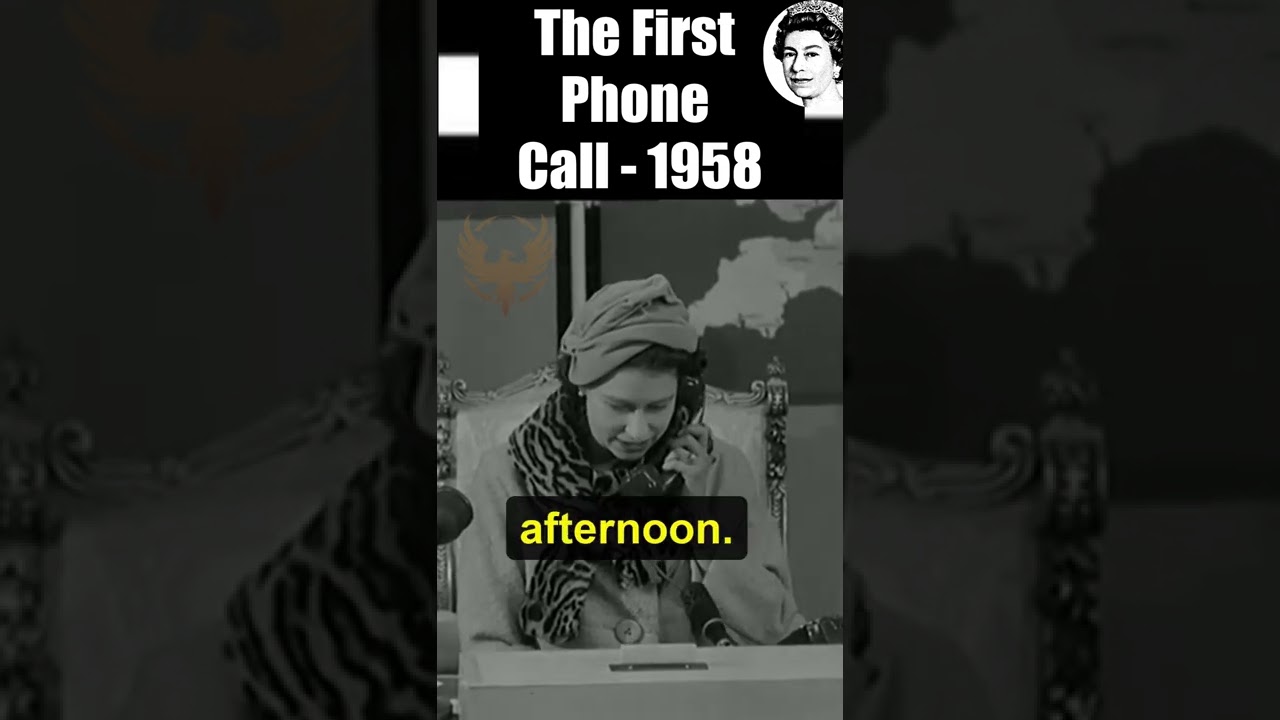
The Christmas message had been a radio broadcast since her grandfather George V began it in 1932. In 1957 the Queen moved it to television. She sat at a desk at Sandringham, looked into a camera, and spoke directly to the country in its living rooms.
In that first televised message she said that it was inevitable that she should seem a rather remote figure to many, but that television made it possible for people to see her in their homes. The technology was new. The purpose, a monarch speaking to her people at Christmas, was 25 years old. She kept the purpose and changed the channel.
She would do this again and again: the walkabout, first tried in 1970, which turned a distant figure into someone who shook your hand; the royal website in 1997; the first royal email decades earlier; social media accounts in her nineties. Each time the question was the same. What is this for, and is there now a better way to do it?
Changing what the institution stood for
The modernisation was not only technical.
She met the Beatles and the Rolling Stones and every cultural figure the country produced. She embraced sustainability initiatives across the royal estates long before it was fashionable. In 2011 she gave Royal Assent to the Succession to the Crown Act, ending centuries of male preference in the line of succession. In her later years the family leaned visibly into diversity and inclusion, celebrating people from every background.
She said in one broadcast that as she looked to the future she had no doubt at all that the one certainty was change, but that we should not be over-anxious, because we can make sense of the future if we understand the lessons of the past.
That is the whole philosophy in two sentences. Change is certain. The past is the guide. Neither cancels the other.
Why it worked
She changed the delivery without changing the purpose.
The institution's job, to be a constant above politics that the country could gather around, never moved in 70 years. How that job was done moved constantly. Television, walkabouts, websites, the abolition of ancient rules. All of it served the same unchanged purpose.
Most organisations get this backwards. They protect the process, because the process is visible and comfortable, and let the purpose drift, because purpose is abstract. Then one day they discover they are doing everything the way they always did, for no reason anyone can remember.
The Queen also understood timing. She did not modernise in a burst. She did it steadily, one decision at a time, over seven decades, so that the institution never felt it was being torn up. Change delivered as evolution survives. Change delivered as revolution usually does not.
Watch on YouTube
What you do on Monday
Name one process your team follows only because it always has. The weekly report nobody reads. The approval step that adds nothing. Ask out loud what purpose it serves.
If the purpose is valid, find a better way to serve it. If it is not, stop. Either answer is progress. The worst outcome is leaving it alone.
Overrule a Churchill. Somewhere in your organisation is a senior, respected voice defending a method for its own sake. The Queen listened to Churchill, respected him enormously, and televised the coronation anyway. Respect and agreement are different things.
From the book
This is Chapter 6 of The Job Well Done: The Queen's Way to Successful Leadership. The full chapter covers the televised coronation, the Queen's adoption of new technology across her reign, her sustainability initiatives, and the balance between tradition and innovation that kept the monarchy relevant for 70 years.
Read all nine principles on the Queen Elizabeth leadership pillar page, or get the book.
All nine principles, with the history behind each one, are in The Job Well Done: The Queen's Way to Successful Leadership. Winner, BOOKFEST Book Award 2023 and the Literary Titans Book Award 2024.
Previous principle:
From Adversity to Strength: the annus horribilis and 1997
Next principle:
The Power of Compassion: Queen Elizabeth's empathy in action