In 2003 Crown Prince Abdullah of Saudi Arabia visited the Queen at Balmoral. In his country, women were not permitted to drive.
After lunch the Queen offered him a tour of the estate. The royal Land Rovers were brought round. The Prince climbed into the front passenger seat expecting a chauffeur. The Queen climbed into the driver's seat, started the engine, and set off at speed down the narrow Highland tracks, talking all the way. The Prince, through his interpreter, is said to have asked her to slow down and concentrate on the road. She did not.
No speech. No communiqué. No lecture on women's rights. A point made with a steering wheel, by a woman who had learned to drive in the army in 1945.
That is Queen Elizabeth's empathy: shown, not announced. This article is about how she did it and why it worked better than any statement.
Empathy as advocacy
The Balmoral drive was not an isolated stunt. Frank Judd, a former Labour minister, said the Queen was able to promote the United Kingdom in a way that went above and beyond what a politician could do, because people believed she meant it.
She could not take political positions. So she took human ones. She visited the places politicians avoided. She remembered the people politicians forgot. And on the rare occasions she wanted to make a point, she found a way to make it that could not be reported as a policy statement, because it was simply something she did.
Empathy as memory
On a 2003 visit to Nigeria her briefing reminded her that on her last visit, in 1957, a nine-year-old princess had handed her flowers. The same woman was to be presented again. The Queen greeted her as someone she remembered.
In 2017 young Commonwealth leaders were astonished by how much she knew about each of them and their countries. That was not a trick of memory. It was the work of reading the brief, which is a form of respect. You cannot be present with someone whose background you have not bothered to learn.
Empathy in small things
The chef Delia Smith described a private dinner and overnight stay at Windsor Castle. What she remembered was not the grandeur. It was the warmth, the relaxed hospitality, and the humour of what she called a genuine and beautiful person who was also a Queen.
On a state visit to Luxembourg the Queen arranged a dinner to thank the Grand Duke for his hospitality, and surprised him afterwards with a tribute to his honorary role as Colonel of the British Guards, because she knew how much it meant to him. She noticed what mattered to people and acted on it.
It extended to the animals. David Michie, who wrote about the Queen's corgis, described how closely she paid attention to each dog's temperament and needs. A leader who is attentive to a corgi is attentive to everyone.
Why it worked
Empathy shown through action carries no risk of sounding hollow.
A leader who says "I care about our people" is making a claim, and claims are cheap. A leader who remembers your daughter's name, or drives you round an estate to make a point about your country's laws, is presenting evidence. Evidence cannot be dismissed as PR.
There is a second mechanism. Because she never spoke about her empathy, nobody could accuse her of performing it. The Queen's compassion was credible precisely because it was never marketed.
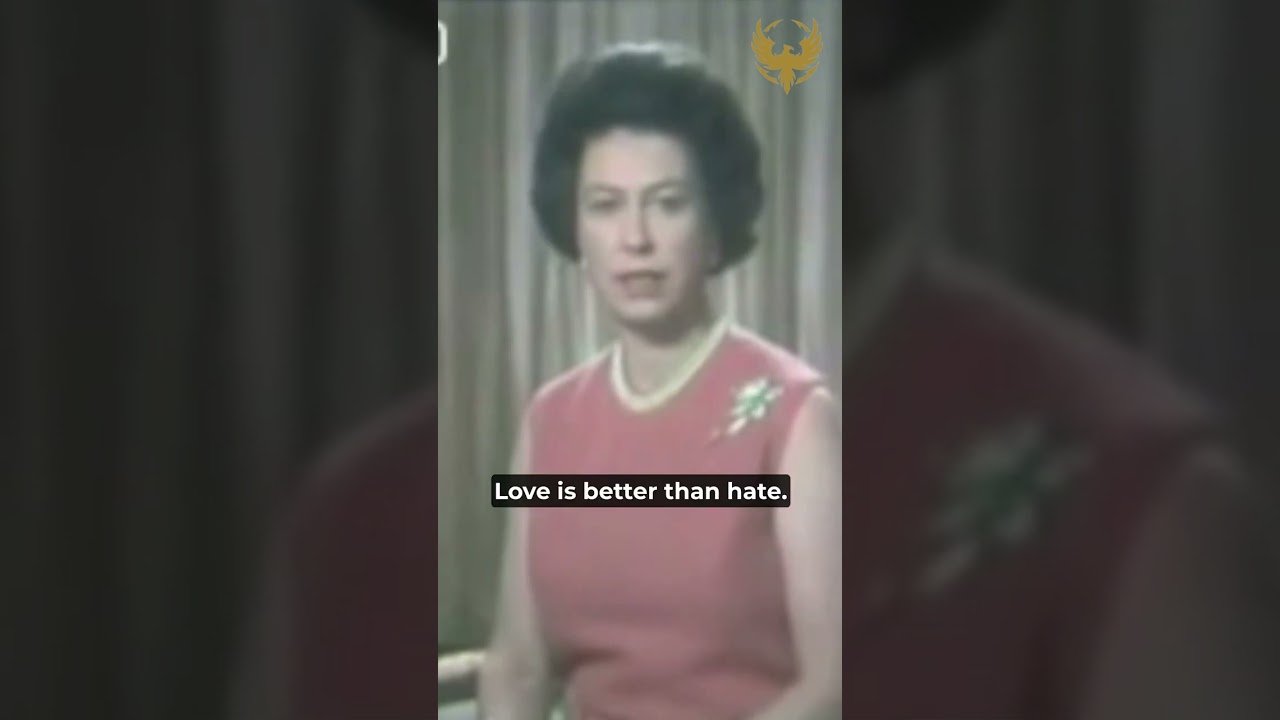
Watch on YouTube
What you do on Monday
Write one handwritten note this week to someone who will not expect it. A team member who did something well. A supplier who went beyond the contract. The medium is the message: it took time, and time is the thing you have least of.
Before your next one-to-one, read the brief. What did this person tell you last time? What is going on in their life that you know about? Walk in remembering. It changes the conversation entirely.
Find one action that says what you would otherwise have said. In your next difficult conversation, instead of saying "I understand how hard this is", do something that demonstrates it. Move the deadline. Take the task yourself. Show up in person.
From the book
This is Chapter 7 of The Job Well Done: The Queen's Way to Successful Leadership. The full chapter covers empathy, dignity, respect and presence as daily practices, with more stories from the Queen's reign and from other leaders who built loyalty through attention rather than announcement.
Read all nine principles on the Queen Elizabeth leadership pillar page, or get the book.
All nine principles, with the history behind each one, are in The Job Well Done: The Queen's Way to Successful Leadership. Winner, BOOKFEST Book Award 2023 and the Literary Titans Book Award 2024.
Previous principle:
Embracing Change: how Queen Elizabeth modernised the monarchy
Next principle:
Mastering Life's Delicate Dance: humour, diplomacy and grace under pressure