On 21 April 1947, from Cape Town, a 21-year-old princess made a radio broadcast to the Commonwealth. In it she declared that her whole life, whether it be long or short, would be devoted to the service of the people.
She was not yet Queen. Her father was alive. Nobody asked her to say it. And then she spent the next 75 years treating that one sentence as a legally binding contract.
That is Queen Elizabeth's sense of duty in a single paragraph. This article is about how it was built, why it held, and what a manager running a team of eight can steal from it.
Duty was learned before it was performed
The Queen did not arrive at duty through philosophy. She arrived at it through her family and the war.
Her father, George VI, became King in 1936 after his brother abdicated. He did not consider himself up to the job. He did it anyway, and his daughter watched him do it. When the Blitz began, the family stayed in London. The Queen Mother's line was that the children would not leave unless she did, she would not leave unless the King did, and the King would not leave under any circumstances. After Buckingham Palace was bombed, she said she was glad, because now she could look the East End in the face.
Princess Elizabeth grew up inside that. At 16 she tried to sign up for war work and was refused. At 18 she joined the Auxiliary Territorial Service and trained as a mechanic and driver, the first woman in the Royal Family to serve as a full-time active member of the armed forces. She learned to change tyres and strip engines, and those who saw her work were impressed by how seriously she took it. She said later that proper training allows one to accomplish a great deal.
Duty, for her, was not a value on a wall. It was a thing you did with your hands.
The humility underneath it
Duty without humility becomes self-importance. The Queen never got there, and it is worth asking why.
She treated her status as a title, not as an entitlement to superiority. In her 1957 Christmas broadcast she acknowledged that she could not lead into battle or give laws or administer justice, but that she could give her heart and devotion to the old islands and to the Commonwealth. She signed off her Platinum Jubilee message, at 96, with the words "Your Servant, Elizabeth R." Seventy years in, she still saw the relationship that way round.
And she owned her mistakes. In 1966 the Aberfan disaster in South Wales killed 116 children. The Queen waited eight days before visiting. Decades later she described that delay as her biggest regret. She did not explain it away. She named it.
That combination is rare: absolute commitment to the role, and no illusion that the role made her better than anyone else.
Why it worked
Publicly stated values are a constraint you choose in advance. Once the 1947 pledge was made, the Queen never had to decide in the moment whether to turn up, whether to stay neutral, whether to complain about the job. Those decisions had been made by a 21-year-old and she simply honoured them.
Most leaders never state their values out loud. So every hard day becomes a fresh negotiation with themselves. Do I really need to be at this meeting? Do I have to give this feedback? Can I skip the hospital visit this once? The Queen removed that negotiation entirely. There was a promise. The promise governed.
This is also why she never appeared conflicted. Conflict comes from unmade decisions. Hers were made.
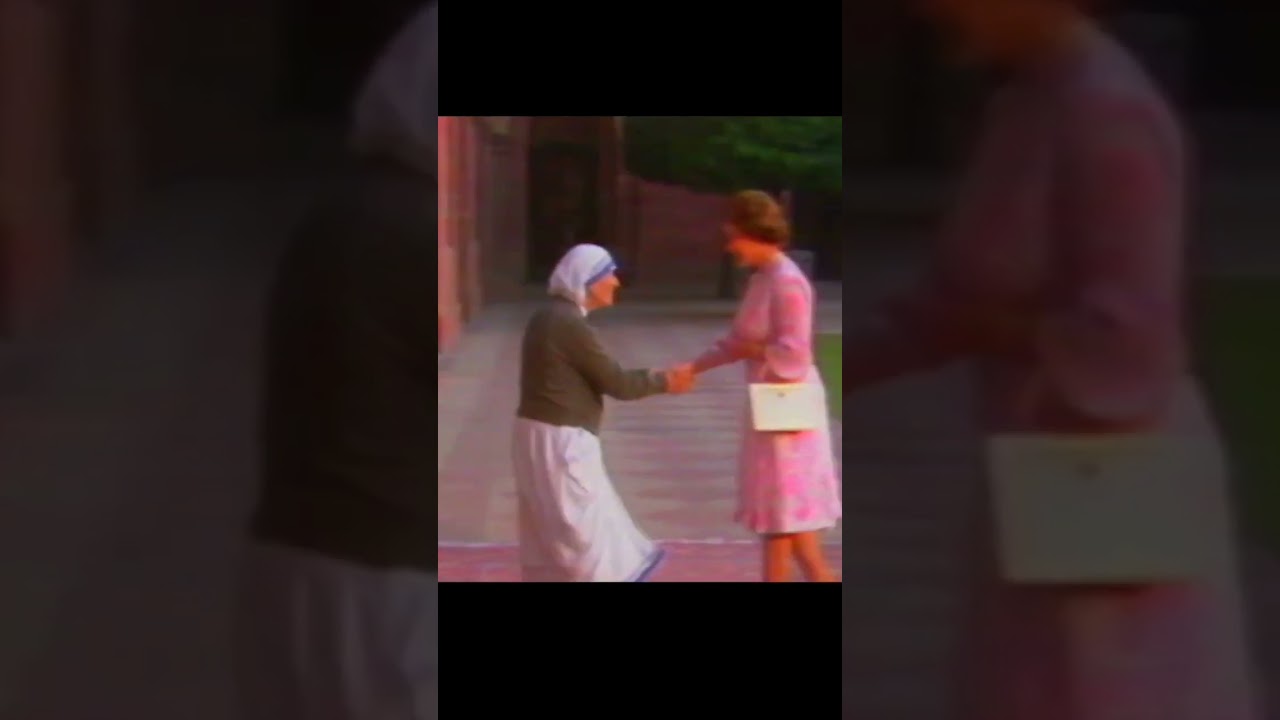
Watch on YouTube
What you do on Monday
Write your three non-negotiables. Not aspirations. Constraints. Things you will do or will not do regardless of how the week goes. "I return every message from my team within 24 hours." "I do not cancel one-to-ones." "I say what I think in the leadership meeting, every time."
Say one of them out loud. To your team, in writing, this week. Once it is public, it starts doing the work for you. The Queen's pledge was a broadcast, not a diary entry. The public part is the point.
Own the first miss quickly. You will break one of your constraints within a month. When you do, name it, as the Queen named Aberfan. A leader who admits a lapse in a stated value is more credible than one who never stated one.
From the book
This is Chapter 1 of The Job Well Done: The Queen's Way to Successful Leadership. The chapter goes further into the Queen's early life, the power of humility, and two other leaders, Mother Teresa and Bill Gates, who built extraordinary results on the same foundation of stated purpose.
Read all nine principles on the Queen Elizabeth leadership pillar page, or get the book.
All nine principles, with the history behind each one, are in The Job Well Done: The Queen's Way to Successful Leadership. Winner, BOOKFEST Book Award 2023 and the Literary Titans Book Award 2024.